How to use a mortar and pestle: grind spices properly
Learn how to use a mortar and pestle properly: season a new one, grind spices and herbs evenly, and avoid the common mistakes that ruin texture.
The short answer
A mortar and pestle crushes and grinds instead of slicing, so you get far more control over texture than a blade or an electric mill gives you. There is no motor, no heat and nothing to unplug — just a heavy bowl and a weight in your hand.
The short version:
- Stand the mortar on a folded damp tea towel so it grips the worktop.
- Add a small amount of ingredient — no more than a third full.
- Press the pestle down and twist it in small circles, working from the centre outwards.
- Scrape the sides down regularly, and add any liquid a spoonful at a time at the very end.
What you need before you start
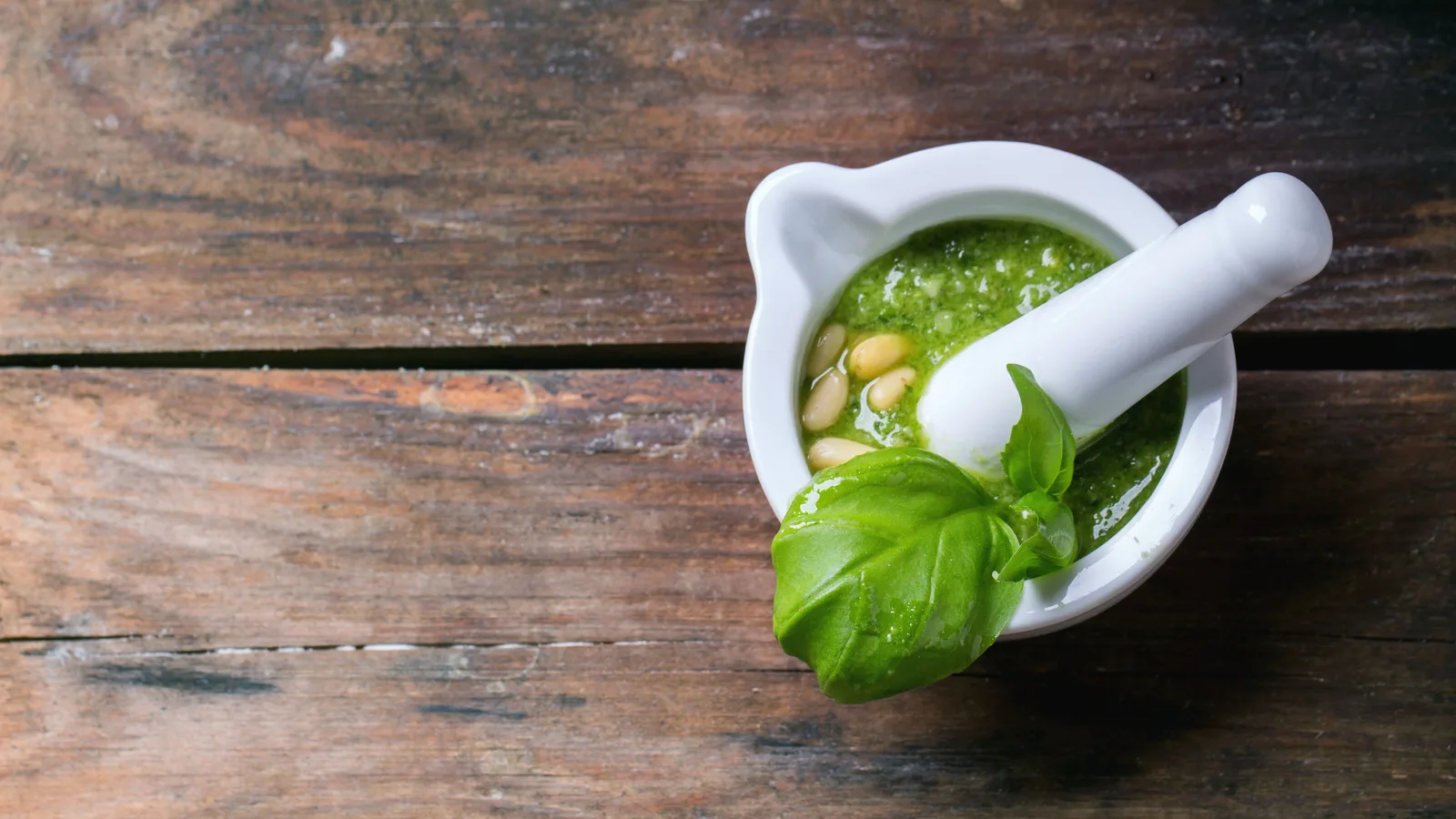
Almost any mortar and pestle will handle light jobs, but the surface decides what it is good at. A heavy stone bowl with a rough, unglazed interior grips the ingredient and grinds it quickly. A glazed porcelain one is easier to clean and kinder to garlic, herbs and pastes, but hard round spices will skid around in it until they crack.
- Mortar
- A heavy bowl with a rough, unglazed interior for spices; glazed ceramic or porcelain for pastes and herbs.
- Pestle
- Should feel weighty in the hand and follow the curve of the bowl, so it reaches the bottom.
- Base
- A folded damp tea towel to stop the bowl sliding and to dull the noise.
- Scraper
- A small silicone spatula or the back of a spoon for pushing ingredients back down.
- Ingredients
- Whole and dry where possible; wet ingredients go in later, not first.
- Optional
- A fine sieve for breaking up lumps, and a small stiff brush for cleaning.
Season a new stone mortar before first use
-
01 /
Grind a handful of raw rice
Put a small handful of uncooked white rice in the bowl and grind in circles until it turns to a grey, gritty powder. Tip it out — don't eat it. The rice lifts loose grit and stone dust out of the surface.
-
02 /
Repeat until the rice stays white
Grind two or three more batches. When the powder comes out white rather than grey, the surface has settled and stopped shedding.
-
03 /
Deodorise, then wash
Optional: grind a peeled garlic clove or a few cumin seeds to mellow the stone, then rinse with warm water, scrub with a stiff brush and leave it to air-dry completely before storing.
How to use a mortar and pestle step by step
-
01 /
Set the mortar on a damp cloth
Fold a tea towel, wet it, wring it out and set the mortar on top. This stops the bowl skating across the worktop and absorbs the thump. Keep one hand resting on the mortar when you grind something hard.
-
02 /
Add a small amount
Fill the bowl no more than a third full. Overfilling is the single most common mistake: the pestle can't reach the bottom, the ingredient sprays over the rim and the grind stays uneven.
-
03 /
Press before you pound
Rest the pestle on the ingredient, lean your weight down through it, then twist. For whole seeds, one firm press cracks them; only then does grinding become quick.
-
04 /
Grind in circles from the centre outwards
Use small, steady circles, working the ingredient against the bottom and up the curved sides, then bringing the pestle back to the middle. Rotate from the wrist rather than swinging the whole arm.
-
05 /
Scrape down the sides
Every so often, stop and push the ingredient back into the middle with a spatula. Anything stuck up the sides is not being ground and will leave lumps.
-
06 /
Work coarse, then fine
Crack hard ingredients first, then grind. For an even powder, tip the contents through a fine sieve and return the coarse bits to the bowl for another round.
-
07 /
Add liquid last, a little at a time
For pastes, trickle in oil, lemon juice or water while grinding. Adding it all at once turns the mixture into a slosh that the pestle can't break down.
Matching the technique to the ingredient
The same bowl behaves very differently depending on what goes into it. Dry, hard items want pressure and patience; soft, wet items want speed and a light hand.
| Ingredient | Prep | Technique | Ready when |
|---|---|---|---|
| Whole spices (cumin, coriander, peppercorns) | Dry-fry briefly in a dry pan and let them cool | Firm press, then steady circles close to the base | Fragrant and even, with no whole seeds left |
| Dried chillies | Tear and shake out some of the seeds | Short light taps, then grinding | Flakes or powder, depending on how long you work it |
| Fresh leafy herbs | Pat completely dry and strip the stalks | Rock the pestle across the leaves rather than grinding hard | Broken down but still loose and green |
| Garlic and salt | Peel, then add a good pinch of coarse salt | Smash once, then grind in circles | A smooth paste with no chunks |
| Nuts | Toast and cool if you like, then add a few at a time | Short bursts of pressure, scraping between | Crumbs you can still feel, not nut butter |
| Ginger and other fibrous roots | Peel and grate first | Grind with a little salt or oil to stop it stringing | A soft paste with the fibres broken up |
Common mistakes and how to fix them
- Filling the bowl to the top. Work in batches. Two small grinds are faster than one crowded one.
- Pounding instead of grinding. Bruises the ingredient, cracks the bowl and scatters spice. Press down, then twist.
- Grinding wet then dry without washing. Garlic residue will taint the next batch of cumin. Rinse and dry between jobs.
- Skipping the toast. Whole spices taste flatter straight from the jar. A short dry-fry in a dry pan until they smell warm makes a noticeable difference — just let them cool before grinding.
- Using a decorative mortar for heavy work. Thin, highly glazed bowls can craze or crack under hard spices. Keep them for herbs, salt and soft pastes.
- Grinding damp herbs. Wet leaves turn to mush rather than breaking into fragrant pieces. Dry them properly first.
- Adding all the liquid at once. Trickle it in while the pestle is still moving.
Cleaning and looking after it
Rinse the mortar and pestle as soon as you have finished — dried spice and paste set hard and take far more scrubbing later. Warm water and a stiff brush are usually enough.
Unglazed stone is porous, so avoid washing-up liquid on it where you can; the stone can hold the scent. Never put stone in the dishwasher, where heat and detergent can crack it. Dry it thoroughly with a cloth and then leave it out in the air for a while before putting it away, so no moisture sits in the base.
For stubborn smells or stains, grind a small handful of raw rice with a spoonful of coarse salt, tip it out, rinse and air-dry. Marble and pale stone will stain from turmeric and chillies — that is normal and doesn't affect how it works.
What to watch out for
- Slipping. A heavy stone bowl on a polished or glass worktop can slide or drop. Always use the damp cloth, and set it down rather than dropping it.
- Wrist strain. Grip loosely and let the weight of the pestle do the work. If your forearm aches, you are probably grinding too large a batch.
- Cracks. Check the bowl for hairline cracks before heavy use. A cracked mortar can split under pressure — retire it.
- Reaching for the wrong tool. For a large batch of evenly ground powder, an electric grinder is quicker. The mortar and pestle earns its place for small quantities, pastes and anything where you want to feel the texture as you go.
Frequently asked questions
Do I need to season a glazed mortar and pestle?
No. Seasoning with rice is only for unglazed stone and heavy unglazed ceramic, which shed grit when new. A glazed bowl just needs washing and drying before its first use.
How do I get the smell of garlic or cumin out of a stone mortar?
Grind raw rice with a spoonful of coarse salt until it powders, tip it out, rinse with warm water and leave the bowl to air-dry in the open. Repeat if the scent lingers.
Can I grind coffee beans in a mortar and pestle?
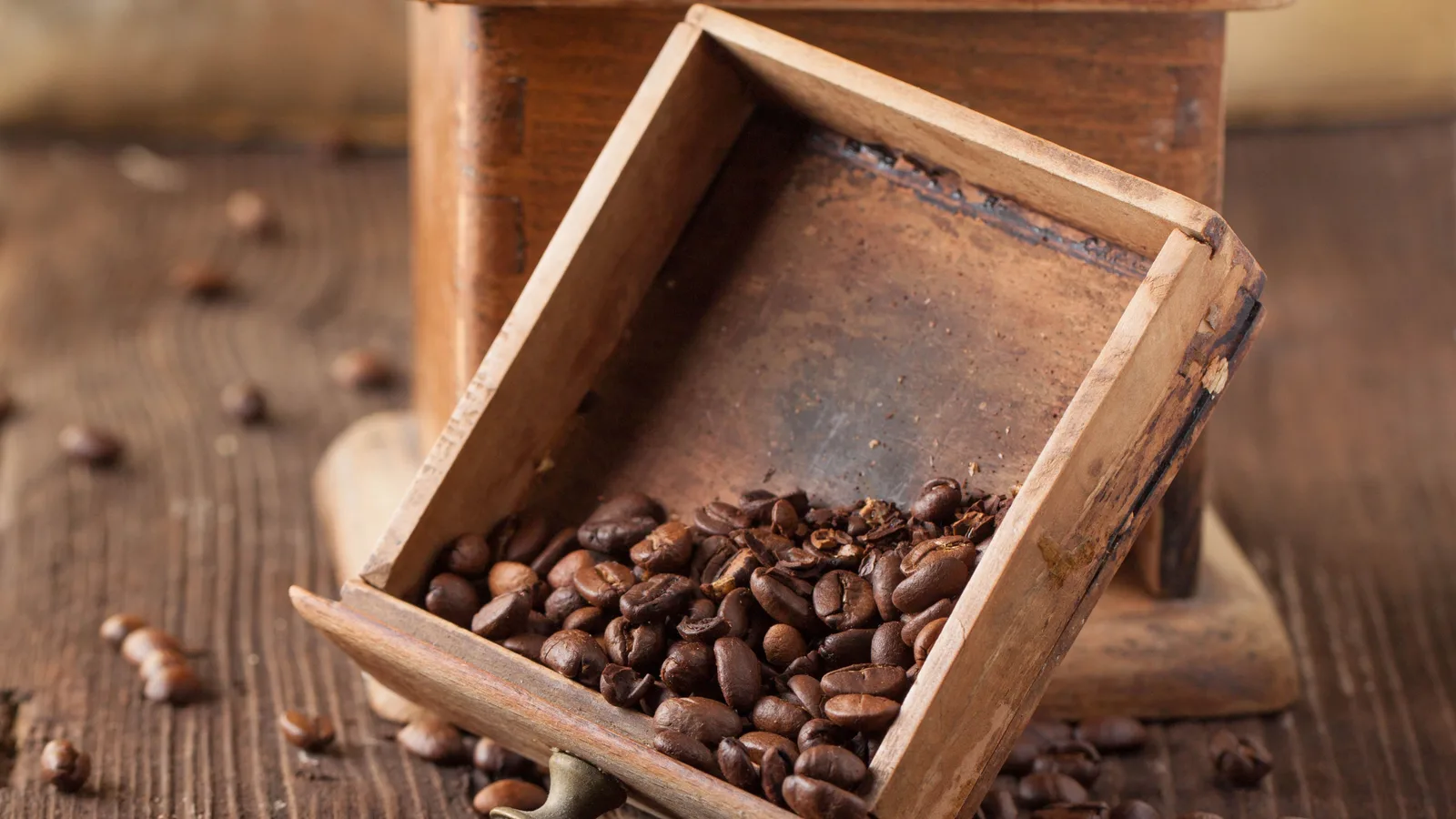
Yes, in small batches, cracking the beans with a firm press before grinding in circles. The result is uneven and coarse compared with a mill, so it suits styles where a little sediment is acceptable rather than a fine filter grind.
Why does the pestle keep sliding instead of grinding?
Round, hard seeds on a glazed surface have nothing to grip. Set the mortar on a damp cloth, crack the seeds with one firm press, and add a small pinch of coarse salt to give the pestle some traction.
Can I wash a stone mortar in the dishwasher?
No. Heat and detergent can crack or pit unglazed stone, and the porous surface can hold onto both water and smells. Wash it by hand, dry it well and let it air completely before storing.